Cluster D — Local · 6 min read
Best Shade Trees for San Antonio's Caliche and Clay Soils
By San Antonio Tree Care Team•Published: 2026-03-20•Updated: 2026-10-09
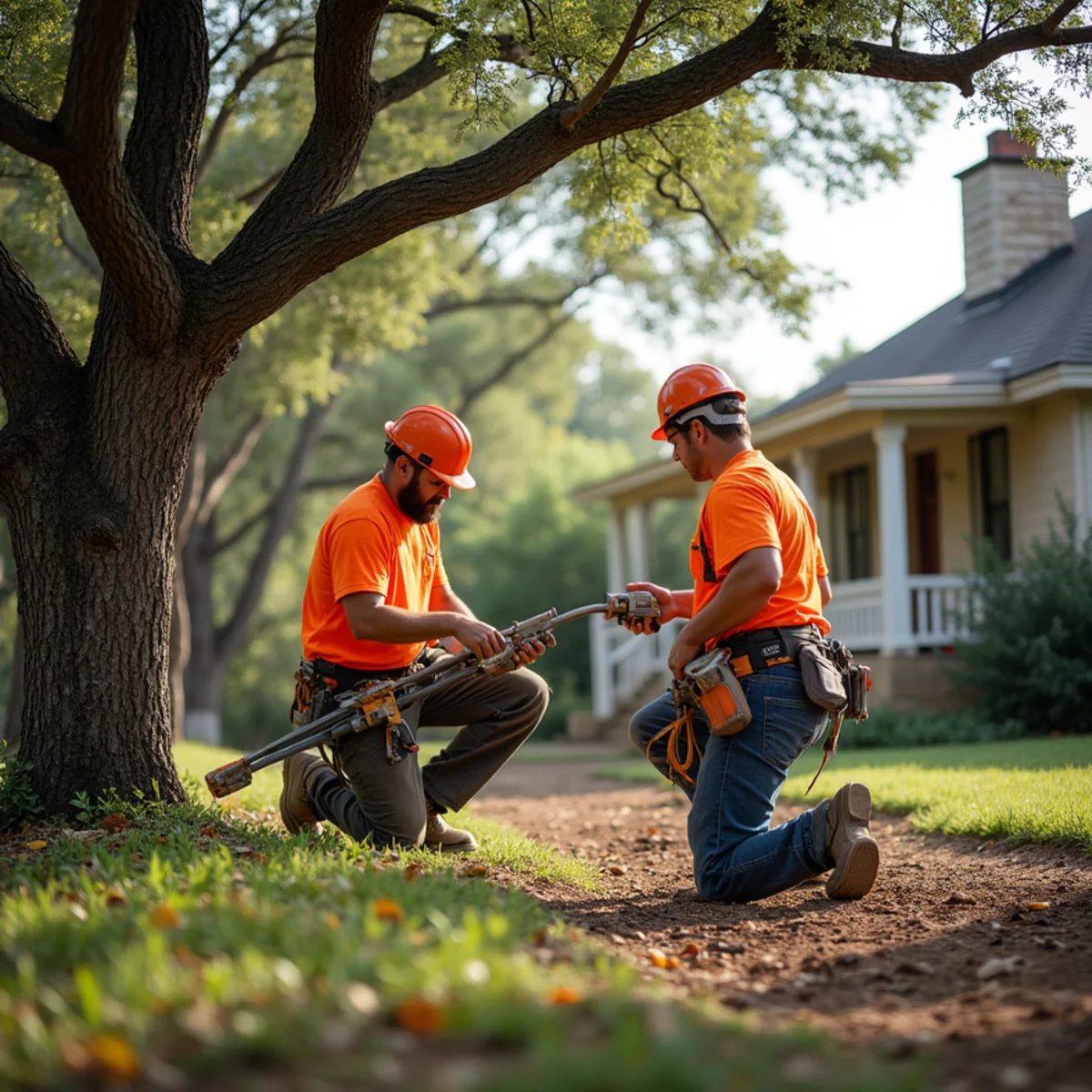
Matching Shade Trees to San Antonio Soils & Extreme Climate Cycles
Selecting the right shade tree for a San Antonio landscape requires matching species genetics to our harsh South Texas climate and dual soil profiles. Our region experiences scorching summer heat exceeding 100°F, severe drought restrictions, sudden winter polar freezes down into the teens, and intense torrential thunderstorm downbursts.
Furthermore, northern Bexar County features alkaline, shallow limestone caliche rock with high pH, while southern and eastern sectors sit on dense, expansive Blackland Prairie clay. Planting non-adapted shade trees (such as silver maples, weeping willows, or pin oaks) leads to chronic iron chlorosis, root rot, and early mortality. Choosing proven native and adapted Texas hardwoods ensures decades of beauty and shade.
Premier Native Hardwoods: Texas Live Oak, Burr Oak & Chinquapin Oak
Native oaks are the crown jewels of the South Texas urban canopy, delivering unmatched longevity, expansive shade, and exceptional wildlife value:
• Texas Live Oak (Quercus virginiana): The iconic evergreen shade tree of San Antonio. Extremely drought-tough, wind-firm, and capable of living for centuries. Requires ample yard space (50+ foot mature canopy spread) and strict oak-wilt-safe pruning protocols.
• Bur Oak (Quercus macrocarpa): A majestic, fast-growing deciduous giant with massive leaves and large acorns. Highly tolerant of high-pH limestone soils and urban compaction; provides magnificent summer shade and golden autumn foliage.
• Chinquapin Oak (Quercus muehlenbergii): One of the finest shade trees for northern Bexar County limestone hills. Resistant to oak wilt, immune to alkaline chlorosis, and features attractive saw-toothed chestnut-like leaves with yellow fall color.
Call back within 15 minutes, on site within 2 hours inside Loop 1604
Dealing with Tree Hazards on Your Property?
Call our licensed San Antonio arborists now for 24/7 emergency dispatch or a free on-site estimate.
City of San Antonio Tree License · $1M+ General Liability · Zero Obligation Estimates
Resilient Native Hardwoods: Cedar Elm & Texas Red Oak
For yards requiring reliable shade and robust storm resistance, cedar elms and red oaks are outstanding investments:
• Cedar Elm (Ulmus crassifolia): The most widespread native deciduous tree in South Texas. Thrives in heavy, poorly drained clay as well as dry limestone rock. Possesses deep, flexible wood fibers that withstand severe wind shear, though regular crown thinning is recommended to manage true mistletoe.
• Texas Red Oak (Quercus buckleyi): Native to the Edwards Plateau limestone hills, this smaller, graceful oak delivers brilliant crimson-red autumn foliage unmatched by other native species. Thrives in rocky, well-drained soils; requires immediate wound painting to protect against oak wilt.
Medium-Sized Landscape Champions: Monterey Oak & Texas Persimmon
Not every residential property has space for a massive 60-foot oak. For medium-sized urban lots and tight street setbacks, these specialized native species shine:
• Monterey Oak / Mexican White Oak (Quercus polymorpha): A phenomenal, highly popular shade tree in modern San Antonio developments. Nearly evergreen, exceptionally fast-growing, highly drought-tolerant, and completely immune to oak wilt.
• Texas Persimmon (Diospyros texana): A stunning small-to-medium accent tree featuring smooth, sculptural peeling gray bark reminiscent of a crepe myrtle, fragrant spring blossoms, and edible black summer fruit prized by native songbirds.
Shade Trees to Avoid in San Antonio: High-Risk Invasives & Brittle Wood
Just as important as knowing what to plant is knowing which species to avoid. Many fast-growing trees sold at big-box nurseries become severe structural and ecological hazards:
• Arizona Ash (Fraxinus velutina): Rapid-growing but short-lived; prone to severe wood decay, borers, and catastrophic trunk collapse by age 25.
• Bradford / Callery Pear (Pyrus calleryana): Severe weak V-fork branching that splits in moderate winds; invasive species that displaces native flora.
• Chinaberry & Chinese Tallow: Aggressive, invasive exotic trees with brittle wood, toxic berries, and poor storm resilience.
• Silver Maple (Acer saccharinum): Severely suffers from iron chlorosis in San Antonio alkaline soils; weak wood and shallow root systems that damage turf and foundations.
Common Questions Related to This Guide
Bur Oak and Monterey Oak are the fastest-growing high-quality shade trees for San Antonio, often growing 2 to 3 feet per year once established while maintaining strong wood structure and outstanding drought tolerance.
Related Services & Local Coverage
Explore professional services and local neighborhoods mentioned in this guide:
Call back within 15 minutes, on site within 2 hours inside Loop 1604
Protect Your Trees & Property with San Antonio's Best
Speak with our certified arborist team today. Transparent estimates, licensed crews, and 24/7 response.
City of San Antonio Tree License · $1M+ General Liability · Zero Obligation Estimates