
Cluster F — Commercial · 6 min read
Tree Maintenance Plans for HOAs and Property Managers in Bexar County
By San Antonio Tree Care Team•Published: 2026-03-20•Updated: 2026-10-09
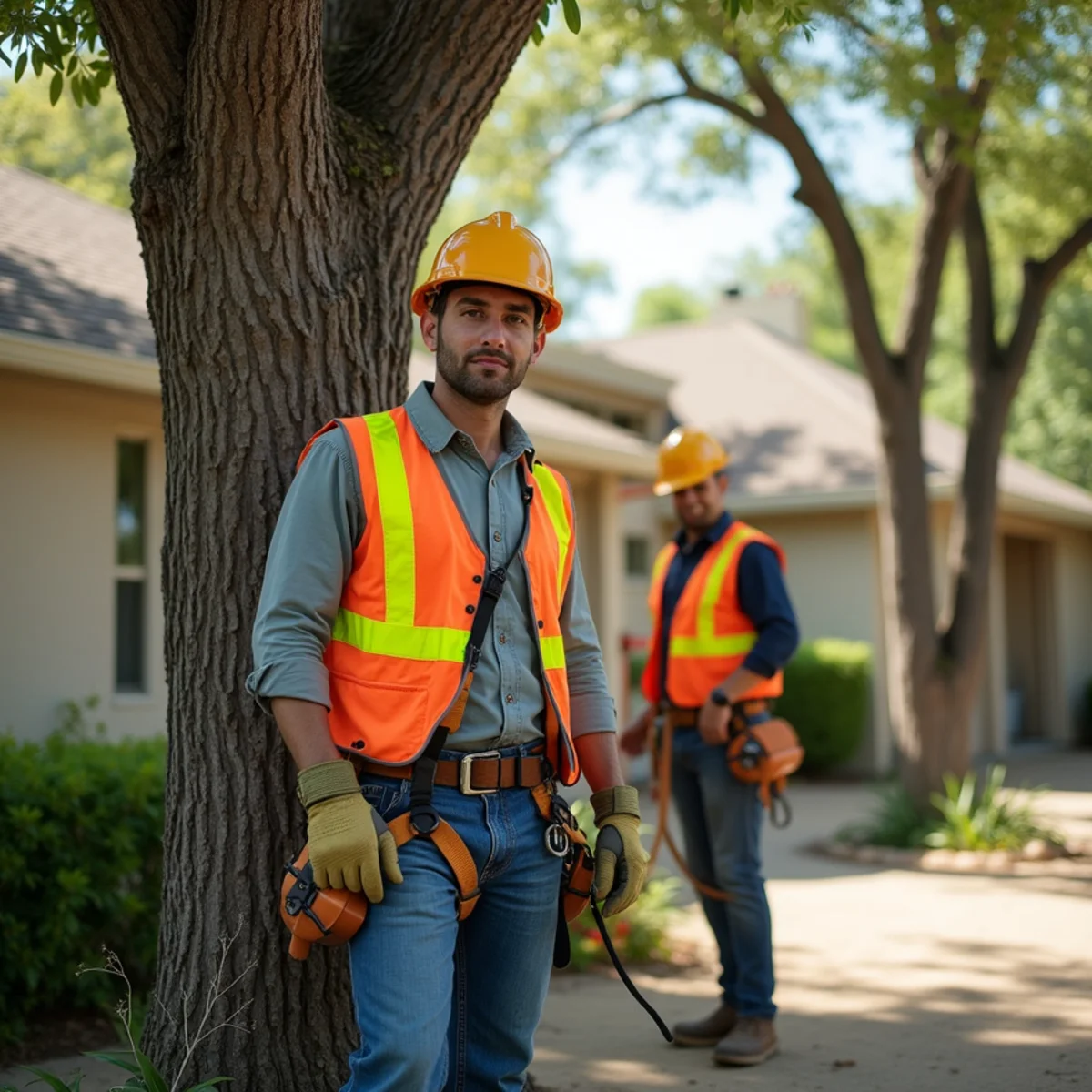
The HOA Tree Dilemma: Balancing Canopy Aesthetics, Risk & Reserve Funds
Homeowners Associations (HOAs) and community managers across San Antonio and Bexar County manage extensive urban forests, encompassing thousands of mature shade trees in common area greenbelts, neighborhood parks, perimeter landscape buffers, and median rights-of-way.
Managing community trees without a structured, multi-year arboricultural plan leads to reactive crisis spending, costly emergency storm removals, contentious resident disputes, and catastrophic liability when neglected trees fail over sidewalks or homes. A professional HOA tree maintenance plan transforms reactive spending into predictable, budgeted risk management.
Additionally, establishing clear common-area property boundaries and utility easements before storm season protects board members from contentious resident property disputes and unexpected special assessment liabilities across Greater San Antonio.
Step 1: The Community Tree Inventory & GPS Risk Mapping
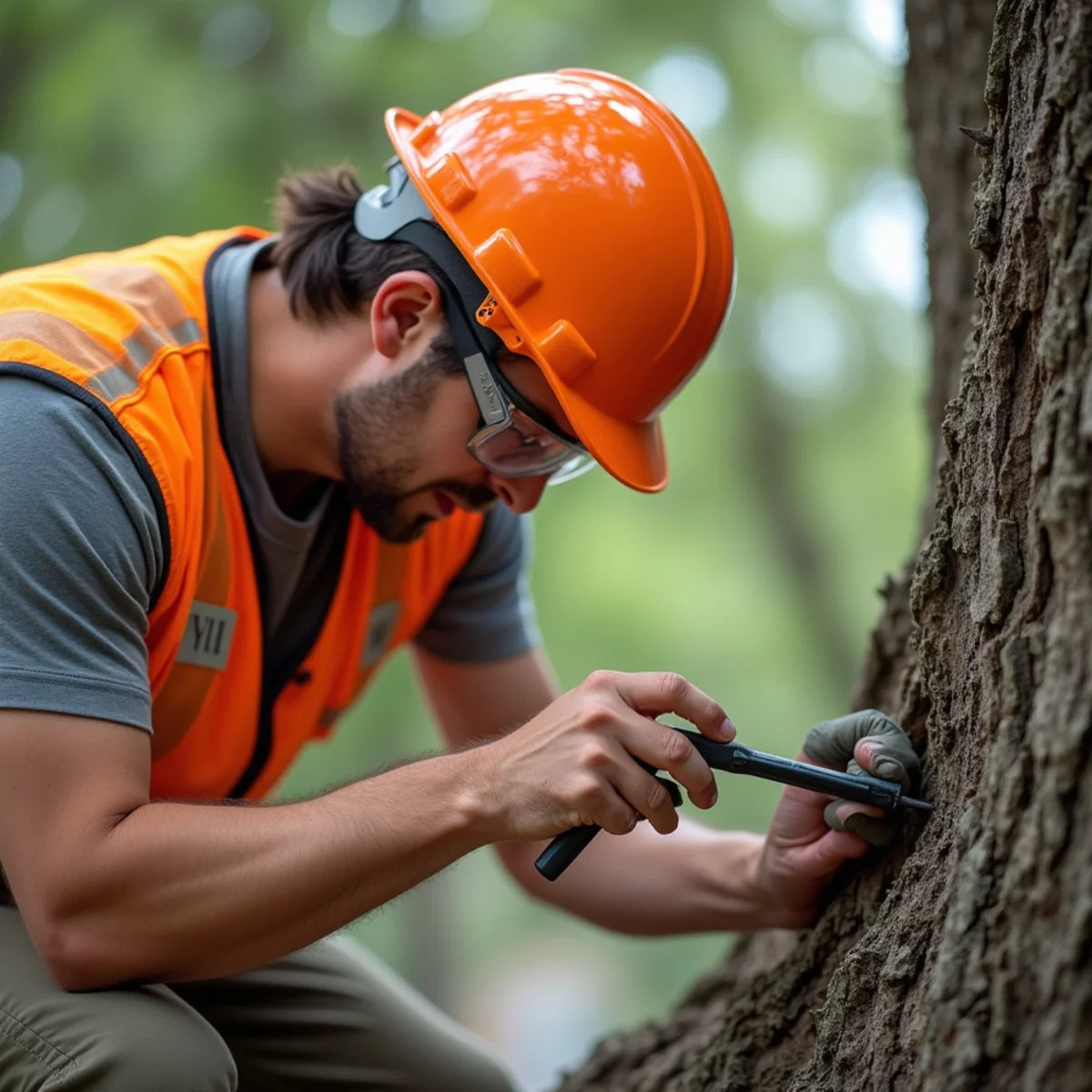
The foundation of any successful HOA tree care plan is a comprehensive digital tree inventory. Certified arborists walk every common area and right-of-way, cataloging every individual tree into a GIS-mapped database.
Each tree is tagged and evaluated for key metrics: species identification, trunk diameter at breast height (DBH), GPS coordinates, overall physiological health score, and a formal Tree Risk Assessment (TRAQ) rating (Low, Moderate, High, Extreme). This digital inventory gives HOA boards complete visibility into their community tree assets, allowing prioritized allocation of maintenance dollars.
Call back within 15 minutes, on site within 2 hours inside Loop 1604
Dealing with Tree Hazards on Your Property?
Call our licensed San Antonio arborists now for 24/7 emergency dispatch or a free on-site estimate.
City of San Antonio Tree License · $1M+ General Liability · Zero Obligation Estimates
Step 2: Prioritized Risk Mitigation & The 3-to-4-Year Rotational Pruning Cycle
Attempting to prune every single tree in a large San Antonio HOA community in a single fiscal year is rarely financially feasible. A professional plan divides community property into a phased 3-to-4-year rotational pruning cycle:
• Year 1 (High-Priority Triage): Immediate removal of dead, dying, or structurally unstable hazard trees adjacent to homes, playgrounds, and swimming pools. Crown cleaning and deadwood removal along major thoroughfares.
• Year 2 (Right-of-Way & Sidewalk Clearance): Elevating lower branches to meet municipal traffic clearance codes (14 feet over streets, 8 to 10 feet over sidewalks) and clearing streetlights and traffic signs.
• Year 3 (Interior Park & Greenbelt Thinning): Structural pruning, ball moss extraction, and crown thinning across community parks, walking trails, and clubhouses.
• Year 4 (Buffer & Detention Pond Management): Clearing invasive cedar and brush from stormwater detention basins and drainage easements.
Municipal Compliance: Street, Sidewalk & CPS Energy Clearances
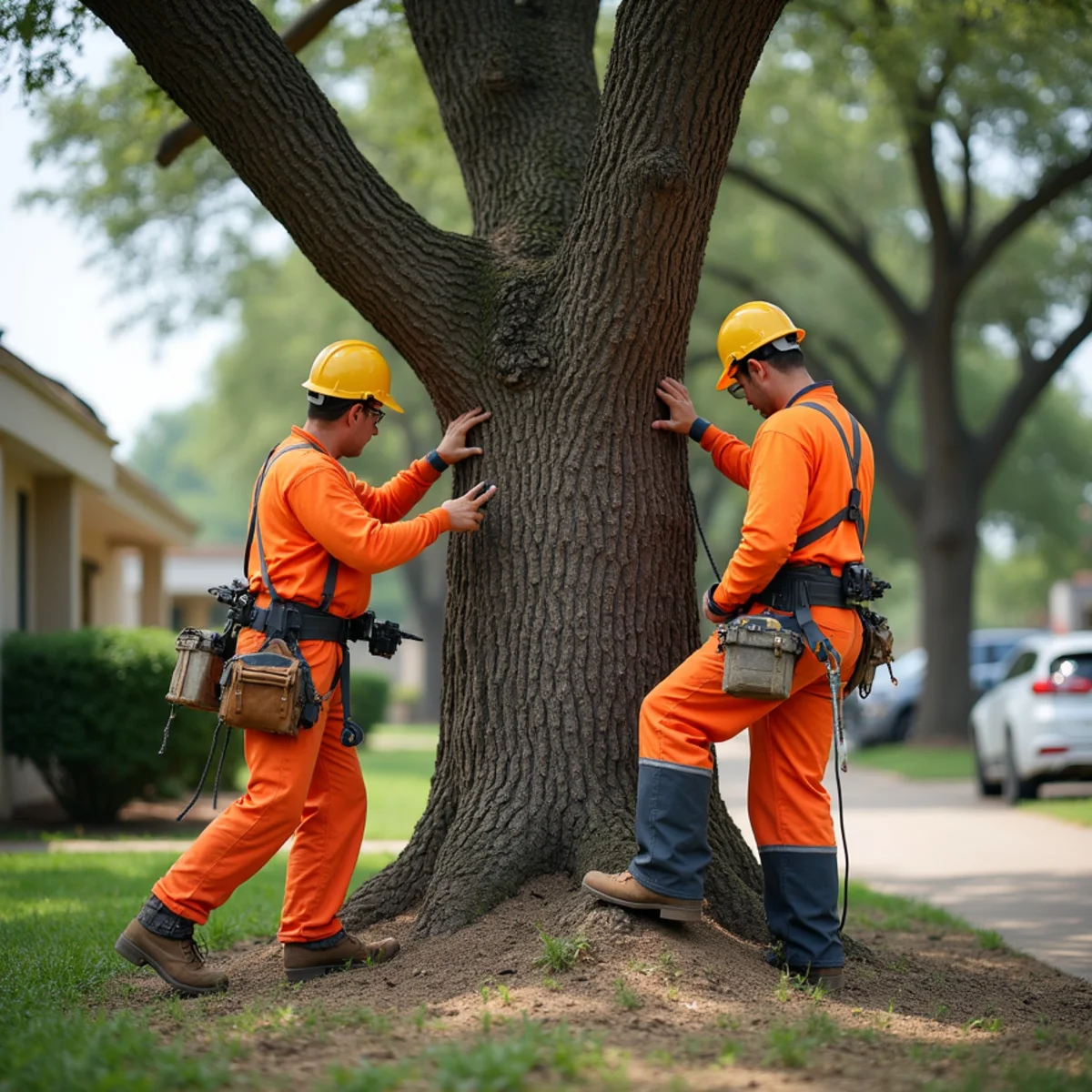
HOAs in San Antonio are legally responsible for maintaining vegetative clearances along community streets and public sidewalks under City Code Chapter 35 and municipal right-of-way ordinances. Neglecting clearances exposes the association to municipal citations and severe liability if delivery trucks or emergency vehicles clip low branches.
Our HOA service protocols ensure strict compliance with standard municipal clearance envelopes: 14 feet of unobstructed vertical clearance over city streets and alleyways to accommodate fire trucks and garbage collection, 8 to 10 feet over pedestrian sidewalks, and safe vegetative buffers around CPS Energy secondary lighting fixtures.
Community-Wide Oak Wilt Defense & Mandatory Contractor Standards
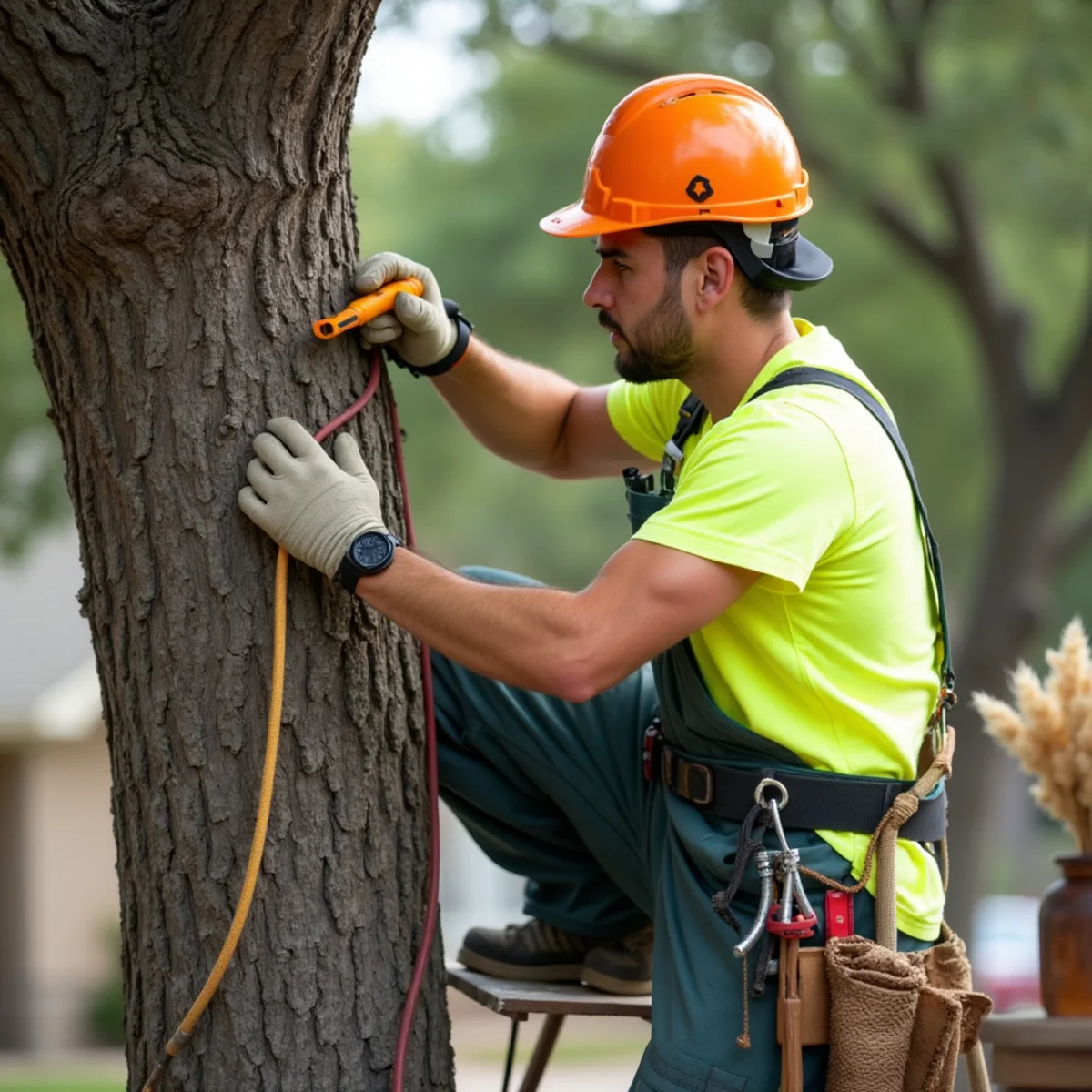
In neighborhoods populated by interconnected live oak groves—such as Stone Oak, Rogers Ranch, and Shavano Park—a single unpainted pruning cut can trigger an oak wilt outbreak that destroys millions of dollars in community property value. HOAs must establish strict community-wide architectural guidelines and contractor mandates.
Our certified arborists help HOA boards draft enforceable tree care bylaws: mandating immediate wound painting on all oak pruning cuts year-round, requiring a non-emergency oak trimming moratorium from February 1 through June 30, and mandating that any commercial tree service operating within the community hold an active City Tree Maintenance License and proof of $1,000,000+ general liability insurance.
Common Questions Related to This Guide
Yes. If the HOA had knowledge (or reasonably should have known through standard maintenance) that a common area tree was dead, decayed, or structurally hazardous and failed to mitigate it, the association can be found legally negligent for resulting damages.
Related Services & Local Coverage
Explore professional services and local neighborhoods mentioned in this guide:
Call back within 15 minutes, on site within 2 hours inside Loop 1604
Protect Your Trees & Property with San Antonio's Best
Speak with our certified arborist team today. Transparent estimates, licensed crews, and 24/7 response.
City of San Antonio Tree License · $1M+ General Liability · Zero Obligation Estimates