
Cluster C — Core service · 6 min read
Oak Wilt in the San Antonio Area: Signs, Spread and Your Options
By San Antonio Tree Care Team•Published: 2026-03-20•Updated: 2026-10-09
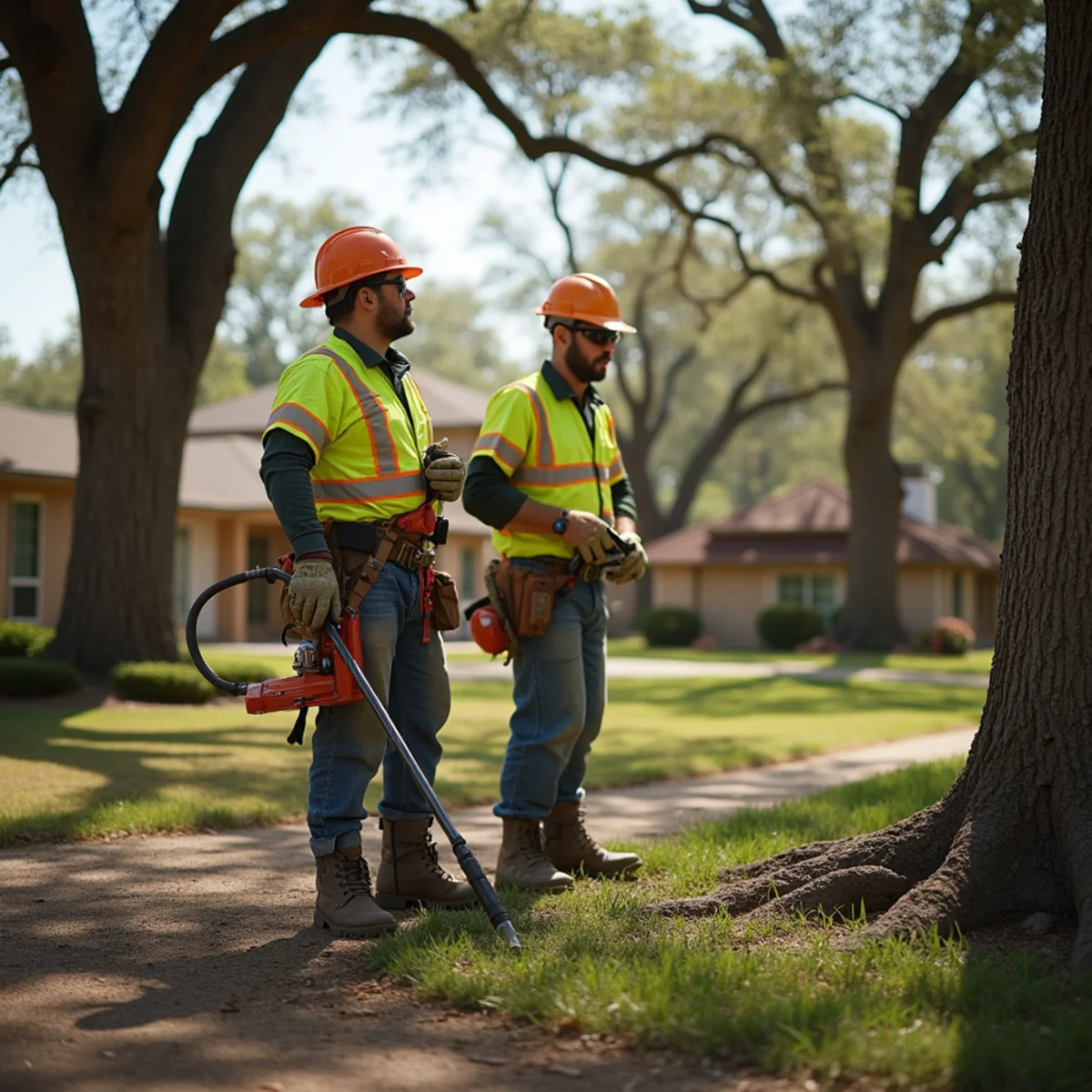
What Is Oak Wilt? The Lethal Biology of Bretziella Fagacearum
Oak wilt is one of the most destructive tree diseases in the United States, and San Antonio sits directly in the epicenter of the Central Texas epidemic. Caused by the vascular fungus Bretziella fagacearum (formerly Ceratocystis fagacearum), oak wilt invades the water-conducting xylem vessels of oak trees.
Once spores enter the vascular system, the tree produces defensive gums and tyloses (balloon-like cellular outgrowths) in a desperate attempt to wall off the infection. Tragically, this self-defense mechanism completely plugs the xylem conduits, preventing water and minerals from traveling from the roots to the upper canopy. The infected tree essentially dies of acute pathological dehydration, often dropping its entire crown of leaves within weeks.
Diagnostic Foliar Symptoms: Recognizing Veinal Necrosis in Live Oaks
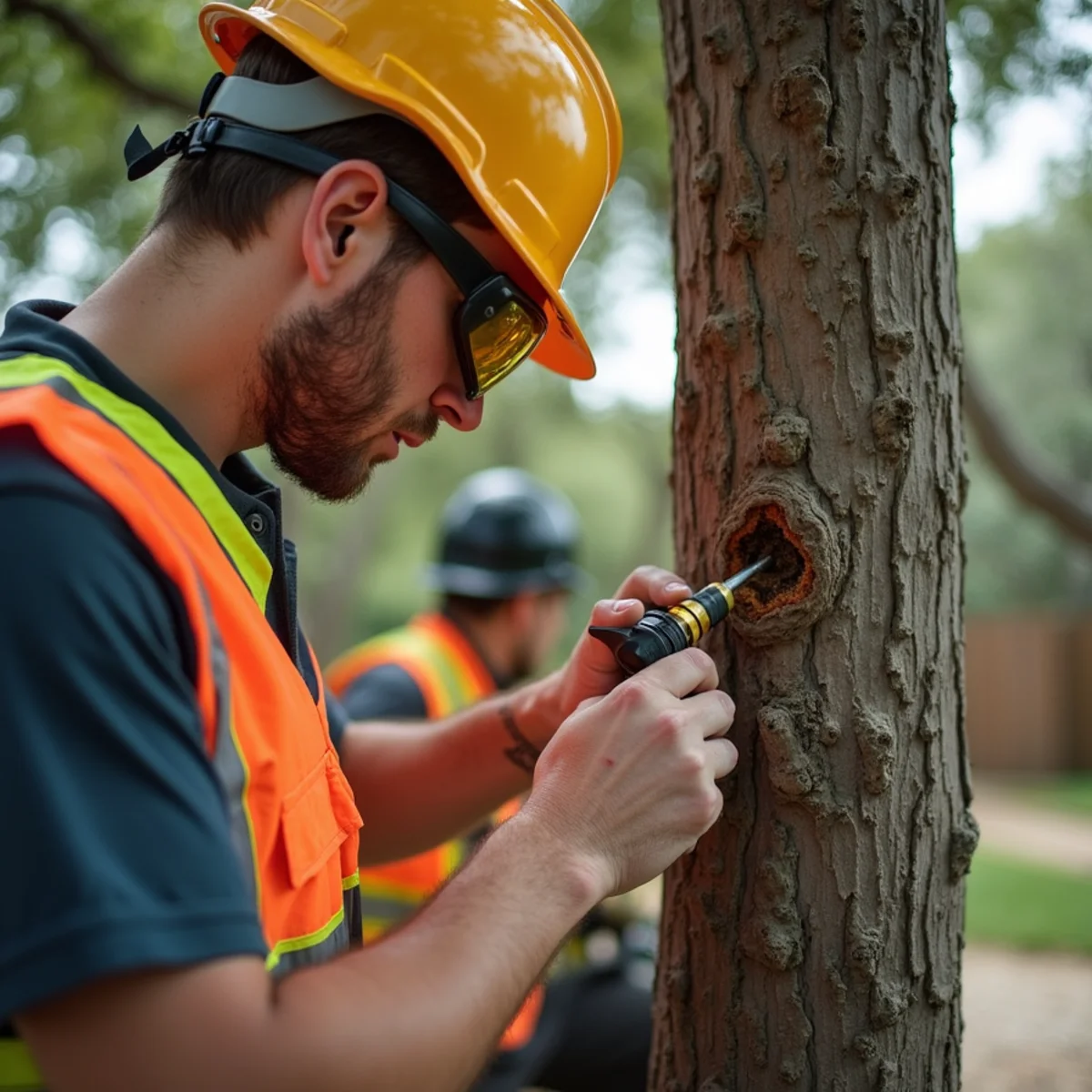
Identifying oak wilt early requires recognizing its signature foliar symptom: veinal necrosis. While many common leaf conditions (such as drought stress or fungal leaf spot) turn the entire leaf brown or cause yellowing between veins, oak wilt behaves in reverse on live oaks (Quercus virginiana).
In an oak-wilt-infected live oak, the central veins of the leaf turn bright yellow and then dark brown (necrotic) while the interveinal leaf tissue remains green. As the vascular blockage worsens, leaves turn bronze, curl, and fall prematurely to the turf in vast numbers. Finding fresh, green leaves with dark brown veins scattered across lawns or driveway pavement is the definitive, hallmark field symptom of active vascular oak wilt.
Call back within 15 minutes, on site within 2 hours inside Loop 1604
Dealing with Tree Hazards on Your Property?
Call our licensed San Antonio arborists now for 24/7 emergency dispatch or a free on-site estimate.
City of San Antonio Tree License · $1M+ General Liability · Zero Obligation Estimates
Red Oak vs. Live Oak Symptoms: Spore Mats & Rapid Canopy Collapse
Oak wilt exhibits dramatically different visual symptoms depending on whether it infects red oaks or live oaks. Red oaks (Quercus buckleyi and Quercus shumardii) are exceptionally susceptible. When infected, a mature red oak typically suffers complete canopy wilting and bronze foliage collapse in as little as two to four weeks.
Furthermore, infected red oaks produce sweet-smelling fungal spore mats under their bark during humid spring weather. These mats create pressure pads that crack the bark, releasing fungal scents that attract nitidulid sap beetles. Live oaks rarely produce spore mats; however, because live oaks grow in continuous stands with interconnected root grafts, the disease spreads through root systems at a rate of 75 to 150 feet per year, killing dozens of mature trees simultaneously.
Underground Transmission: Root Graft Networks Across San Antonio Subdivisions
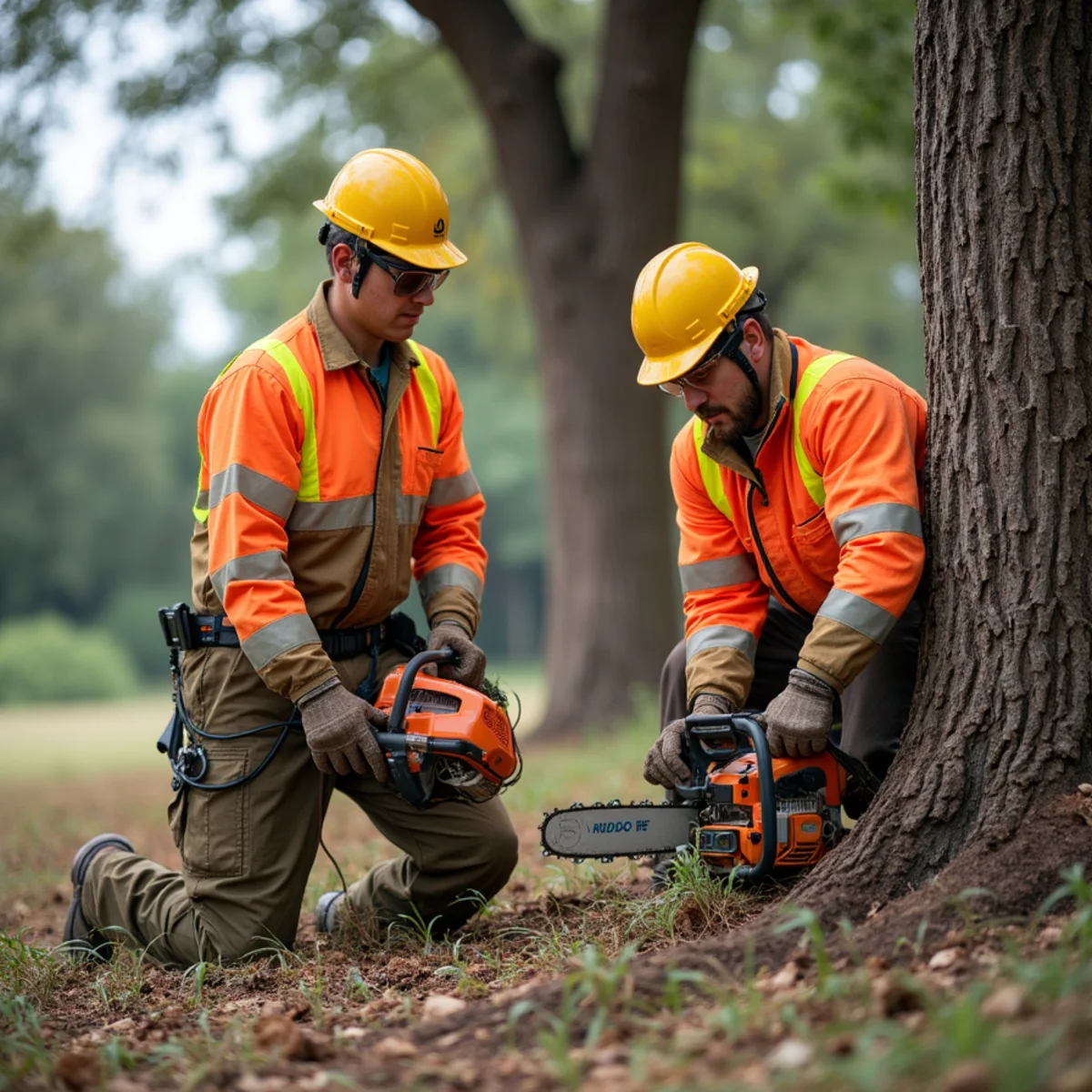
While sap-feeding beetles initiate new infection pockets above ground, more than 80% of mature tree mortality across Bexar County occurs underground through interconnected root graft networks. Live oaks growing within 50 to 100 feet of one another naturally graft their lateral roots together, creating a shared communal circulatory system.
When a single live oak in a neighborhood contracts oak wilt, the fungal spores travel directly into the root flare and flow through shared root grafts into adjacent healthy oaks. This creates expanding disease centers (trenches) that leave circular paths of dead timber across entire subdivisions in areas like Hollywood Park, Shavano Park, and Timberwood Park.
Therapeutic Solutions: Alamo (Propiconazole) Macro-Infusions
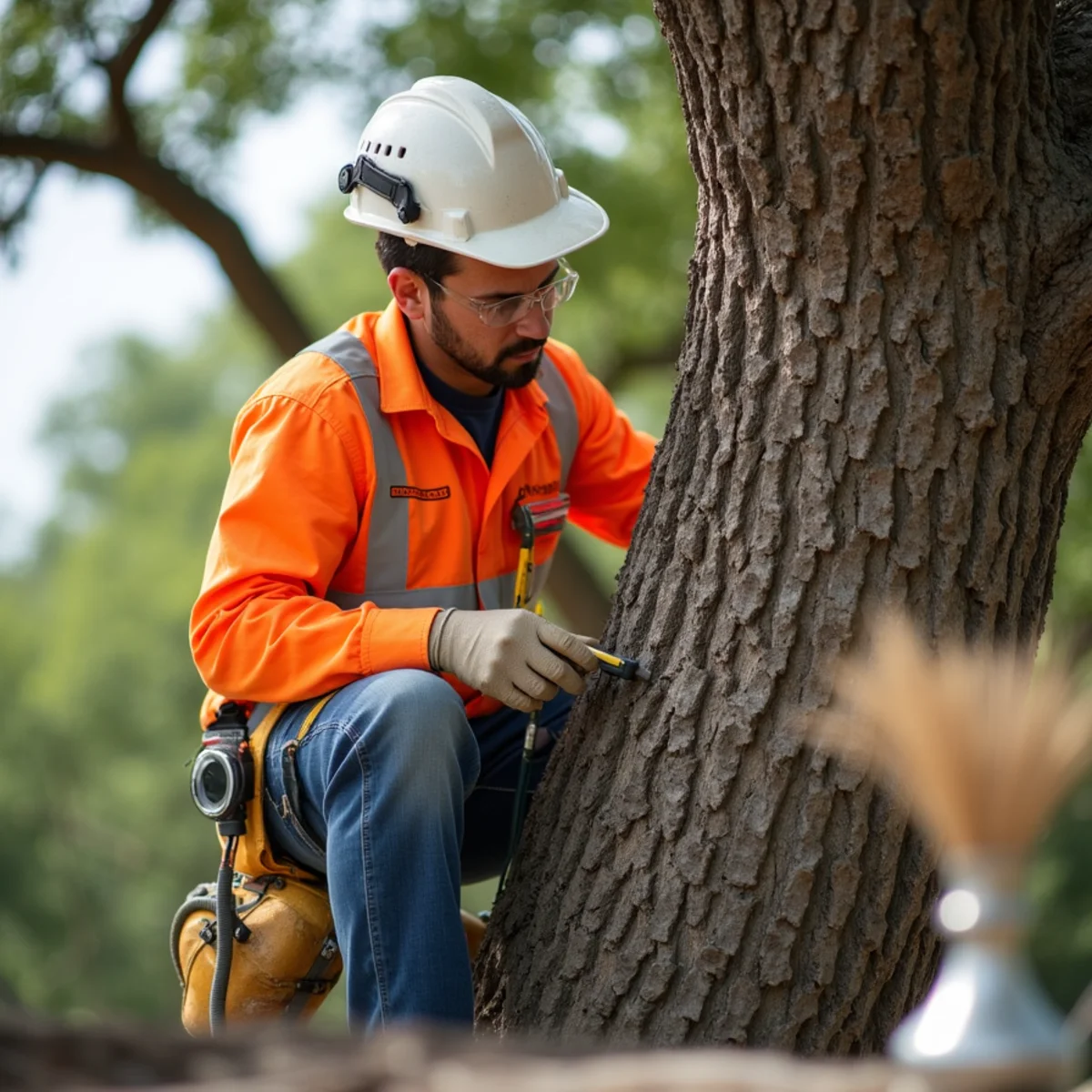
While there is no chemical cure for a live oak that has already lost more than 30% of its canopy to oak wilt, healthy companion oaks within the infection perimeter can be protected using Alamo (propiconazole) systemic fungicide macro-infusions.
Our certified arborists drill micro-ports into the root flare of threatened live oaks below ground level, inserting low-pressure infusion tees. We inject pressurized volumes of Alamo solution directly into active sapwood rings. The fungicide circulates upward through the vascular system, inhibiting fungal cell wall development and providing up to 24 months of vascular defense against root-grafted fungal transmission.
Common Questions Related to This Guide
In red oaks, mortality is 100% within weeks. In live oaks, roughly 10% to 15% may survive as defoliated, stunted survivors, but they remain permanently disfigured. However, healthy companion oaks nearby can be saved if treated with preventative Alamo fungicide infusions immediately.
Related Services & Local Coverage
Explore professional services and local neighborhoods mentioned in this guide:
Call back within 15 minutes, on site within 2 hours inside Loop 1604
Protect Your Trees & Property with San Antonio's Best
Speak with our certified arborist team today. Transparent estimates, licensed crews, and 24/7 response.
City of San Antonio Tree License · $1M+ General Liability · Zero Obligation Estimates