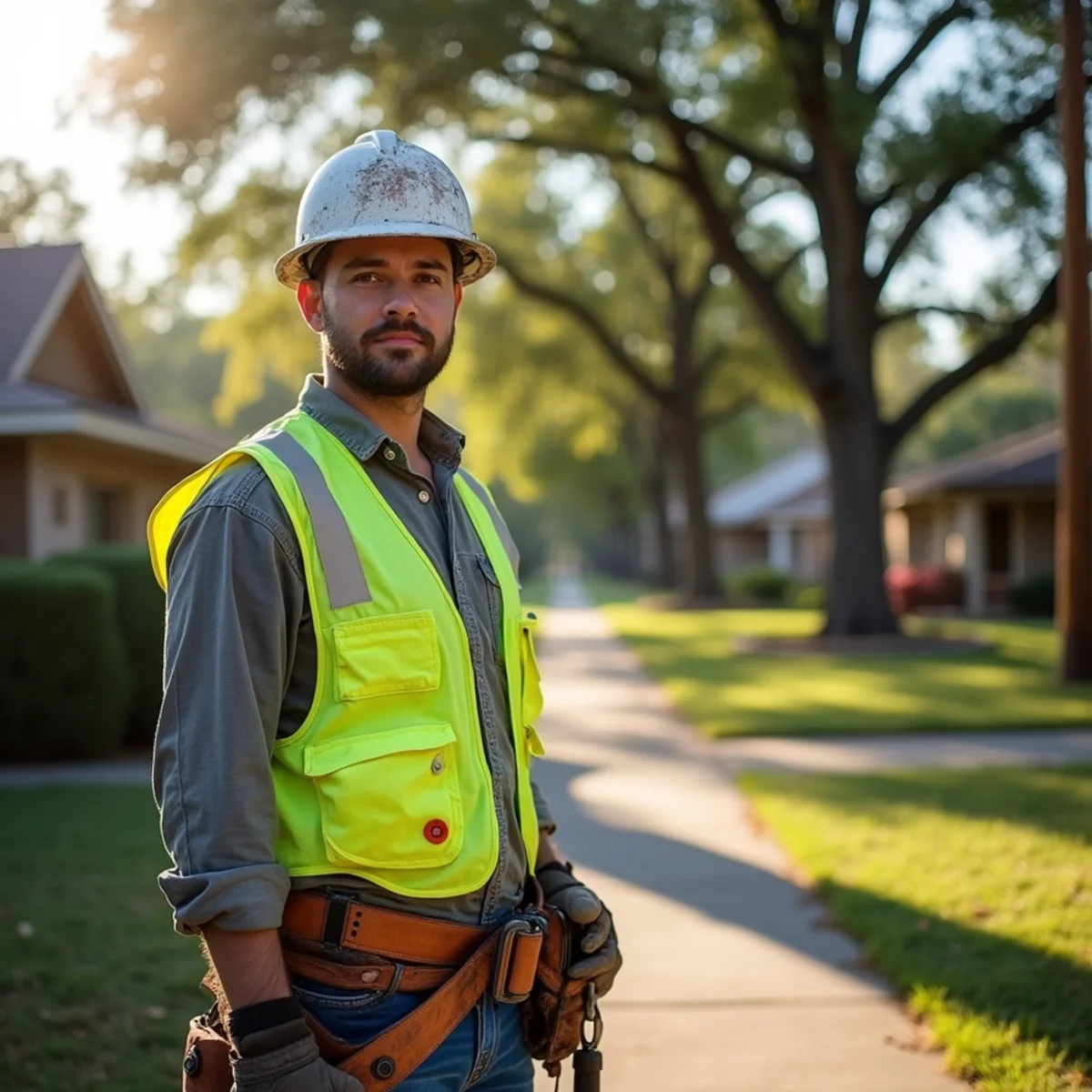
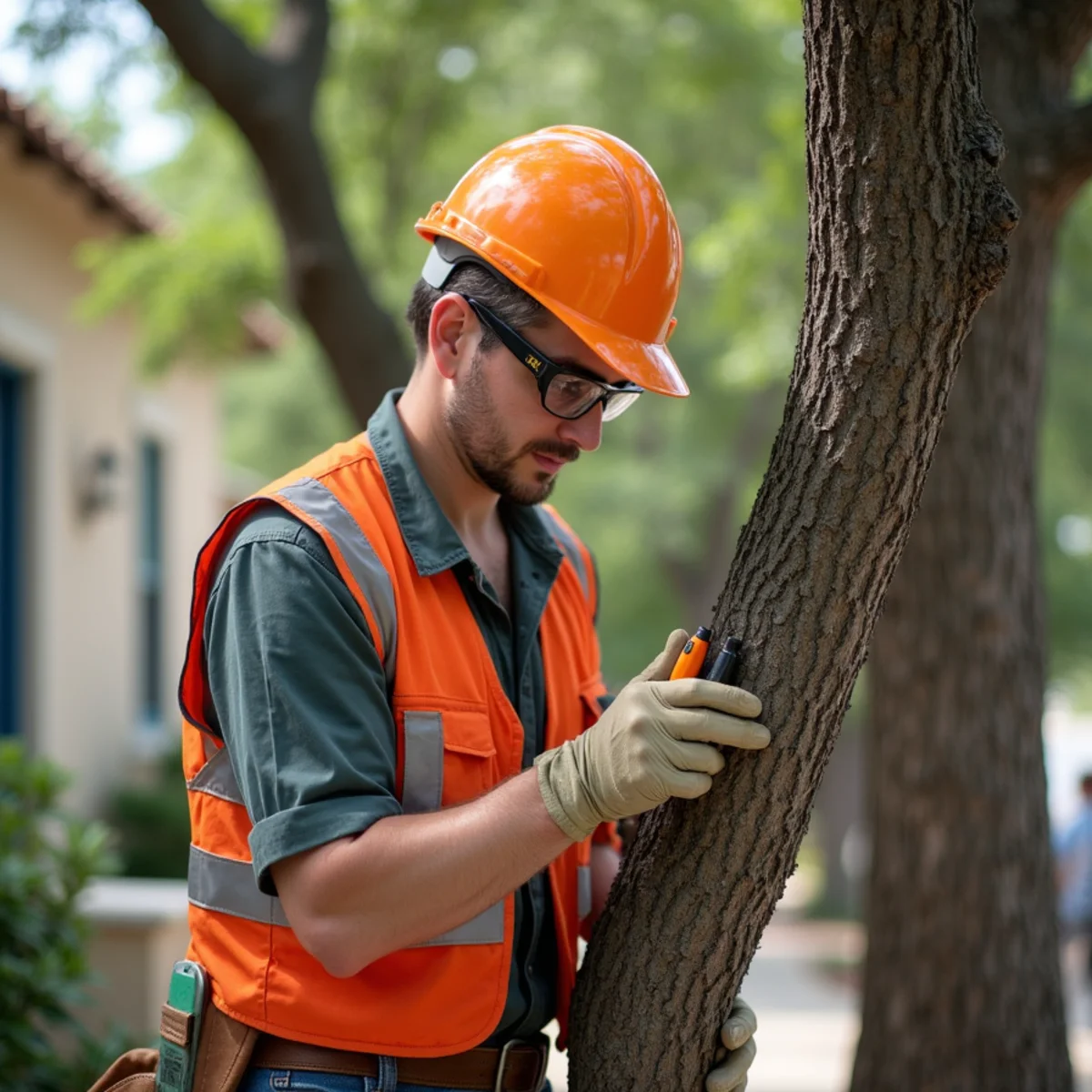
In the City of San Antonio, property owners are often surprised to learn that they are legally responsible for maintaining vegetation that extends over public sidewalks, streets, and alleyways adjacent to their private property. Under Chapter 35 of the Unified Development Code (UDC) and City Code Section 29-17, property owners must keep vegetation trimmed to prevent obstruction of public travel.
Even if a tree trunk is rooted entirely on your private property behind your property line, if its branches hang over the public sidewalk or roadway, you bear the legal responsibility to ensure those limbs comply with city vertical clearance standards. Failure to maintain clearance can result in municipal code compliance citations, city-mandated contractor billing, and substantial liability if low branches cause vehicular or pedestrian injuries.
In addition to vertical clearance over travel lanes, San Antonio city code enforces strict 'Sight Triangle' or vision clearance regulations at street intersections and driveway exits. Trees, shrubs, and low branches located within 25 to 30 feet of any street corner must not obstruct the sight lines of motorists entering or turning onto the roadway.
Furthermore, private tree branches must never obstruct the visibility of public traffic control devices, including STOP signs, speed limit signs, street name signs, or overhead traffic signals. If a low-hanging tree limb obscures a STOP sign and contributes to a vehicular collision, the adjacent property owner can face significant legal liability under Texas tort law.
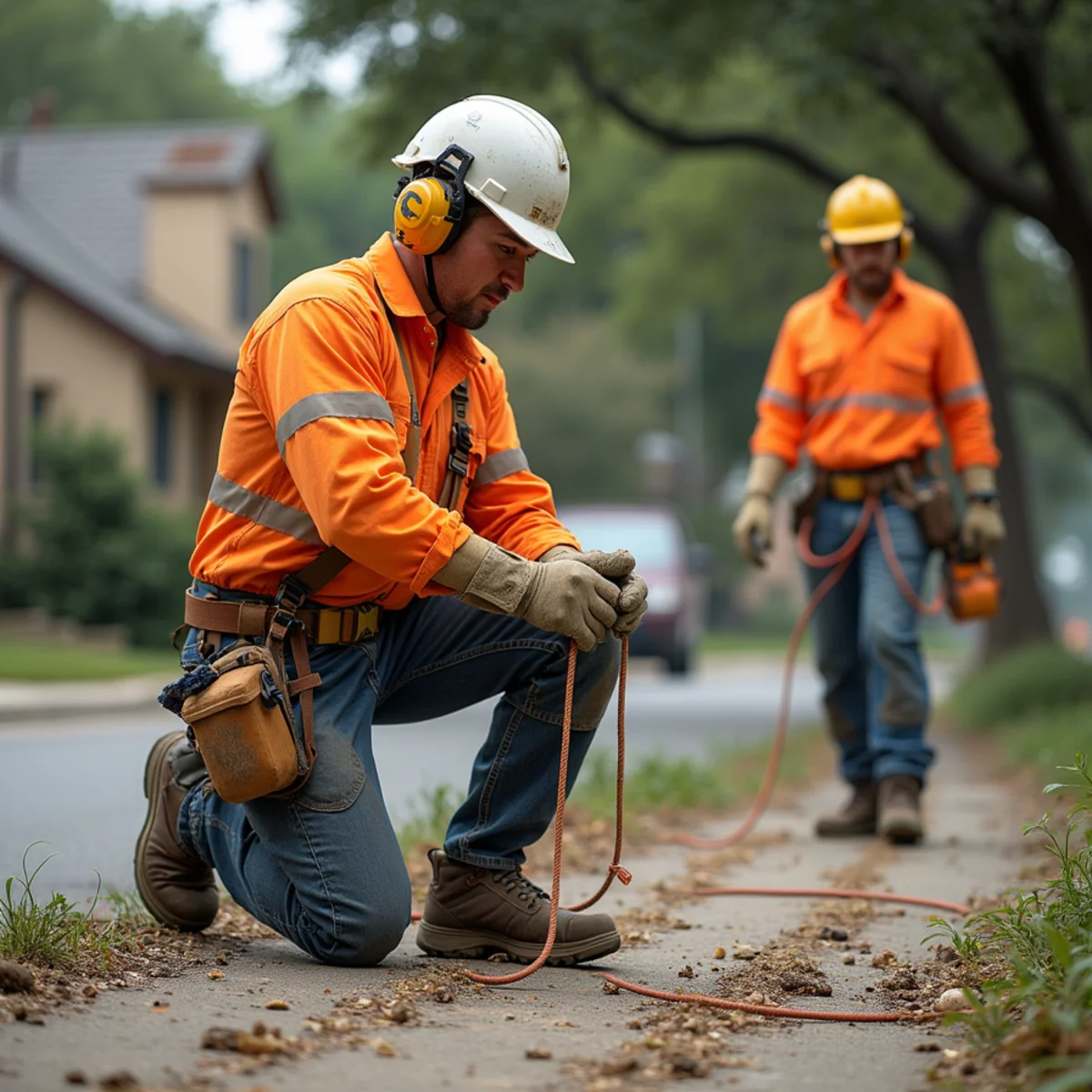
When faced with a city code compliance notice, many property owners hire cheap, unqualified trimmers who simply lop off branch tips with hedge trimmers or make flush cuts against the trunk. These practices violate ANSI A300 pruning standards and cause severe, long-term damage to the tree.
Improper 'topping' or random stub cuts stimulates dense clusters of weakly attached watersprouts that grow rapidly back into the street corridor within months. Furthermore, flush cutting damages the branch bark collar, preventing the tree from producing wound wood and inviting wood-decay fungi. Professional arborists execute crown raising using directional collar cuts back to healthy upward-growing lateral branches.
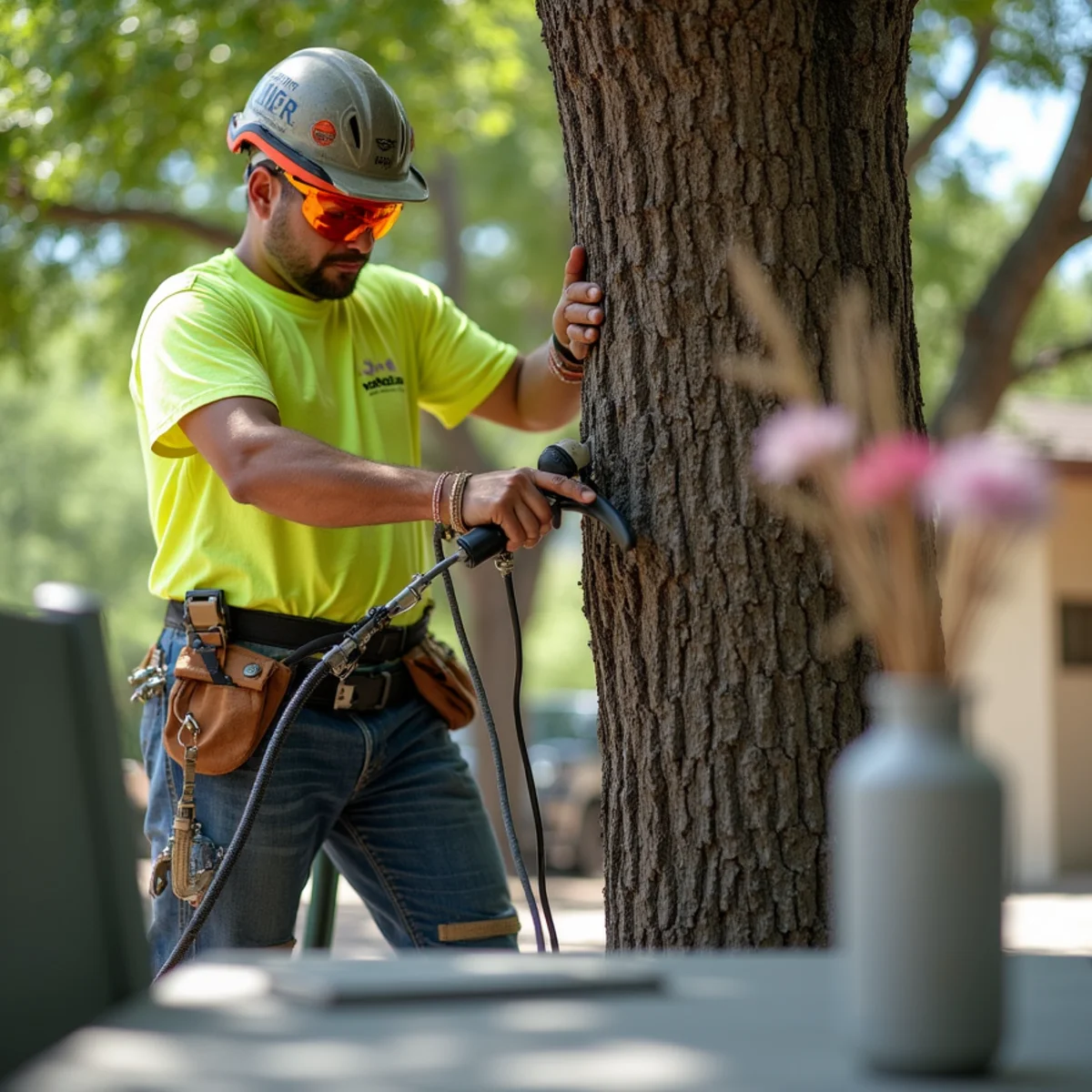
Because street and sidewalk clearance work often involves live oaks planted in front yards and street parkways, oak wilt biosecurity must be maintained with extreme care. Trimming large street-facing limbs exposes fresh vascular cambium directly along heavily trafficked corridors.
Under City of San Antonio Chapter 35 ordinances, every single pruning cut on any oak species must be sealed immediately within seconds with protective tree wound paint or black latex dressing. Our tree crews carry spray paint canisters directly on climbing gear, sealing cuts instantaneously before descending.