Cluster B — Cost & Insurance · 6 min read
How Much Does Tree Removal Cost in San Antonio? 2026 Price Guide
By San Antonio Tree Care Team•Published: 2026-03-20•Updated: 2026-10-09
Primary Cost Drivers: Tree Height, Trunk DBH & Total Biomass
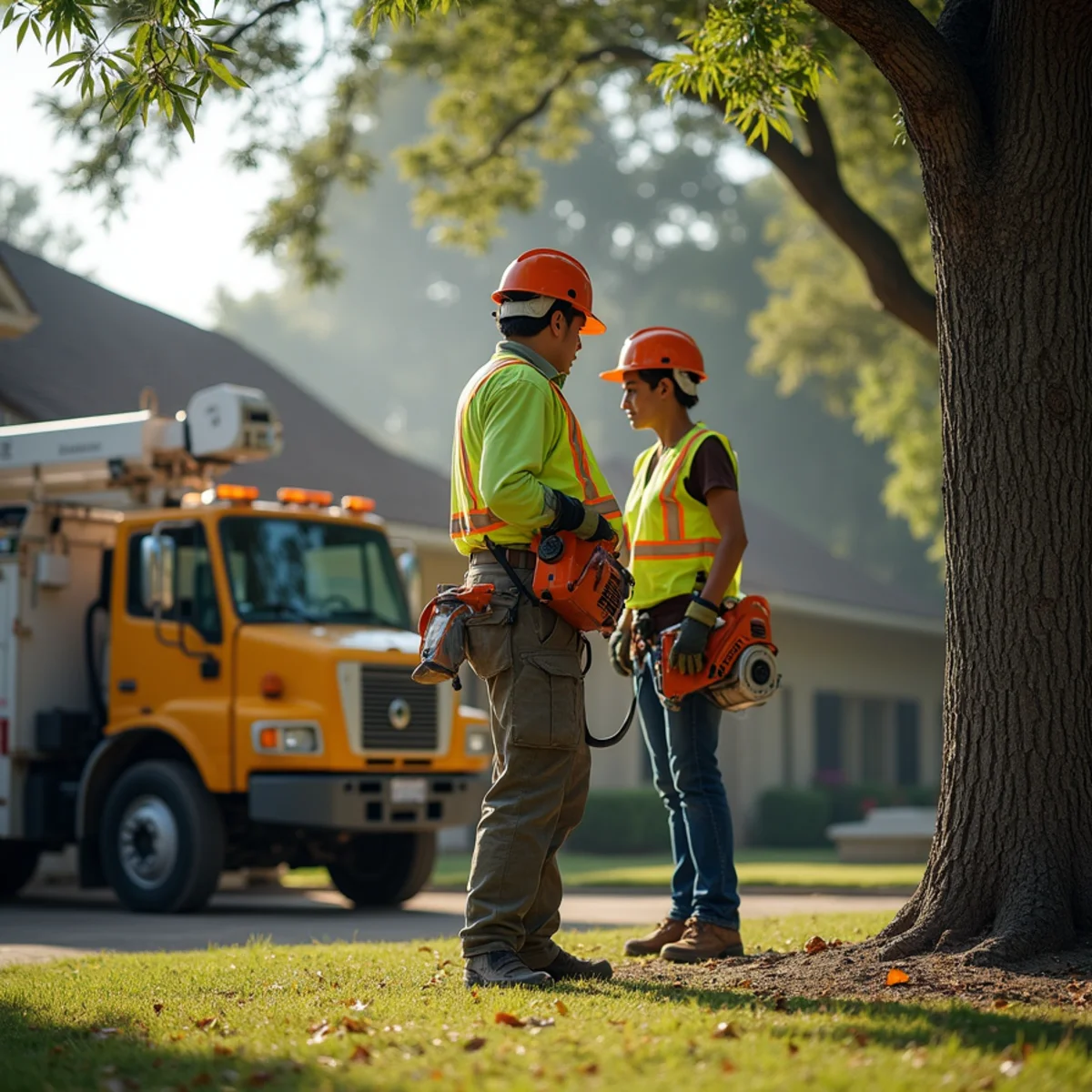
When San Antonio property owners request tree removal estimates, the first variables evaluated by certified arborists are overall height, trunk diameter at breast height (DBH), and total canopy biomass. A 20-foot ornamental crepe myrtle or small Texas persimmon requires minimal rigging, basic handheld chainsaws, and a single chip truck load. In contrast, a 60-foot mature live oak or American elm possesses tens of thousands of pounds of dense, heavy timber.
Larger trunk diameters demand commercial heavy-displacement chainsaws, specialized large-capacity wood chippers, and multiple haul-off dump trailers. The physical weight of green hardwood timber—often exceeding 60 pounds per cubic foot—directly influences crew labor hours, equipment wear, and municipal landfill disposal fees across Bexar County.
Spatial Obstacles: Proximity to Roofs, Power Lines & Privacy Fences
Where a tree stands on your property is often more significant than its size in determining overall removal costs. A tree standing in a wide-open rural pasture in Somerset can be directionally notched and felled in a single cut in less than an hour. However, the vast majority of residential removals in San Antonio, Alamo Heights, and Stone Oak occur within confined, high-liability spaces.
Trees hanging directly over shingle or clay tile roofs, detached garages, swimming pools, glass sunrooms, or wooden privacy fences require precision sectional dismantling. Every single branch must be individually roped, cut, and lowered under controlled friction using load-dampening arborist rigging blocks. This meticulous process requires highly skilled climbers and ground rigging specialists, significantly increasing the time and technical precision required.
Call back within 15 minutes, on site within 2 hours inside Loop 1604
Dealing with Tree Hazards on Your Property?
Call our licensed San Antonio arborists now for 24/7 emergency dispatch or a free on-site estimate.
City of San Antonio Tree License · $1M+ General Liability · Zero Obligation Estimates
Backyard Access Constraints, Turf Protection & Crane Deployment
Access to the tree determines the machinery an arborist can deploy. If a tree is located in a front yard adjacent to a wide asphalt street, crews can position high-reach aerial bucket trucks and commercial knuckle-boom loaders directly at the curb. Work proceeds rapidly because timber can be cut and loaded mechanically.
However, if the tree is situated in an enclosed rear courtyard or behind a 36-inch pedestrian gate with no vehicular access, all equipment must be moved by hand or with compact, turf-friendly articulated loaders. Heavy logs must be bucked into small, man-portable rounds and transported across landscaped lawns on composite turf protection mats. In extreme cases where trees cannot be accessed safely from the ground, deploying a 40-to-60-ton hydraulic mobile crane to lift tree sections over the house roof is necessary.
Structural Integrity: Why Dead or Decayed Trees Cost More to Remove
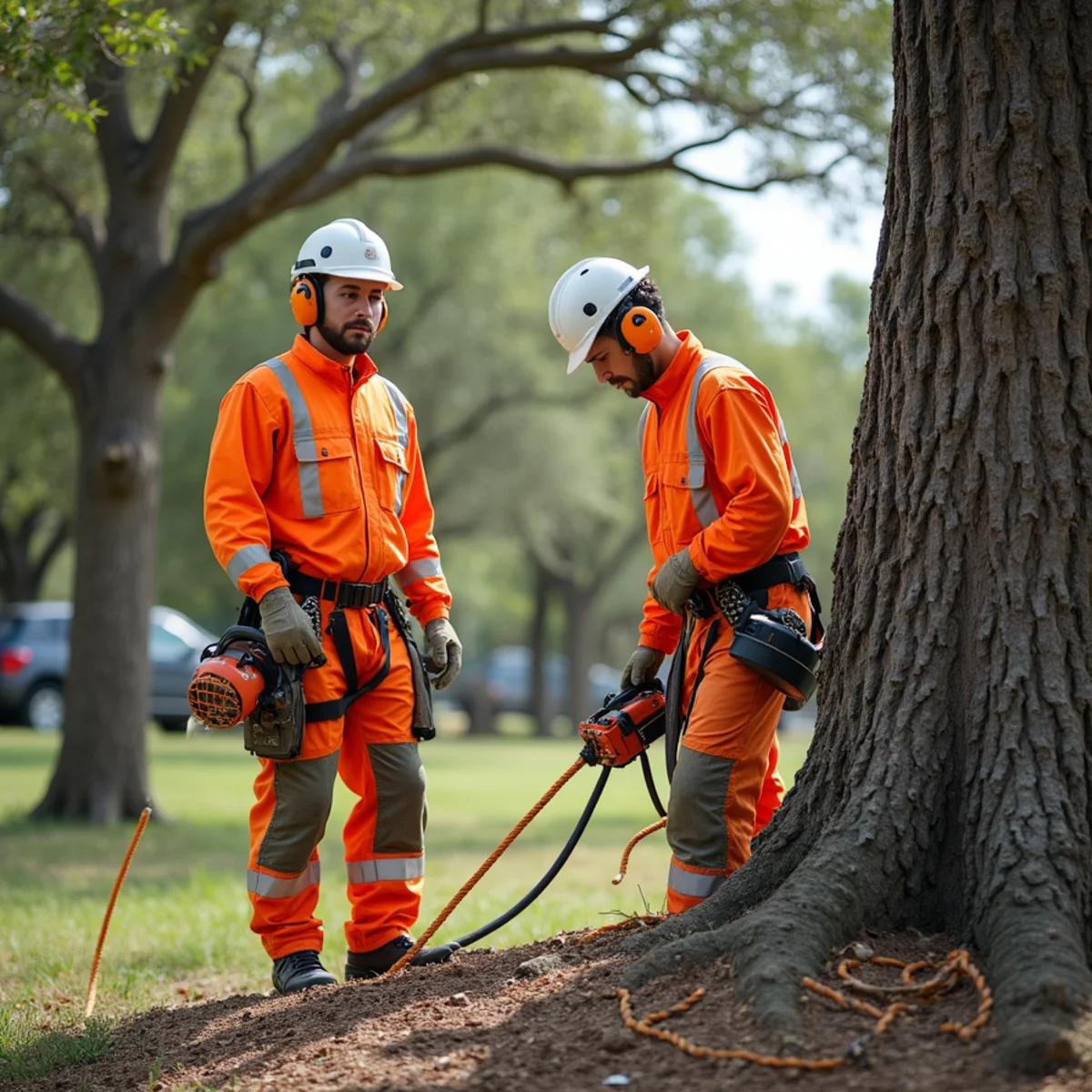
A common misconception among homeowners is that a dead tree should cost less to remove because it contains less green weight. In arboricultural reality, removing a dead, hollow, or decaying tree is substantially more dangerous and expensive than removing a healthy, structurally sound tree.
When a tree dies from oak wilt, hypoxylon canker, or root rot, its wood fibers lose elasticity and become extremely brittle. Climbers cannot safely ascend a tree with compromised wood because branches may snap under their climbing ropes. These hazardous removals require specialized spider lifts, aerial bucket platforms, or complex external crane rigging to secure the tree from above, requiring advanced rigging protocols to ensure worker and property safety.
San Antonio Municipal Permitting & Chapter 35 Tree Mitigation Fees
Before removing mature trees within the City of San Antonio municipal boundaries, property owners must comply with the Chapter 35 Unified Development Code (UDC) Tree Preservation Ordinance. This ordinance protects significant trees (defined as 6 inches or greater DBH) and heritage trees (24 inches or greater DBH for protected species like live oak, cedar elm, and bur oak).
While dead, diseased, or imminent hazard trees can receive emergency removal waivers with a certified arborist diagnostic affidavit, non-hazard removals on commercial properties or residential developments require formal municipal permits and substantial tree mitigation or tree-fund replacement fees. Working with a licensed tree contractor ensures all municipal paperwork is properly documented to prevent severe city stop-work fines.
Common Questions Related to This Guide
Dead trees have brittle, rotted wood fibers that cannot safely support a climbing arborist weight. Removing them requires expensive specialized equipment like aerial cranes or spider lifts to dismantle the tree without climbing directly on structurally compromised timber.
Related Services & Local Coverage
Explore professional services and local neighborhoods mentioned in this guide:
Call back within 15 minutes, on site within 2 hours inside Loop 1604
Protect Your Trees & Property with San Antonio's Best
Speak with our certified arborist team today. Transparent estimates, licensed crews, and 24/7 response.
City of San Antonio Tree License · $1M+ General Liability · Zero Obligation Estimates