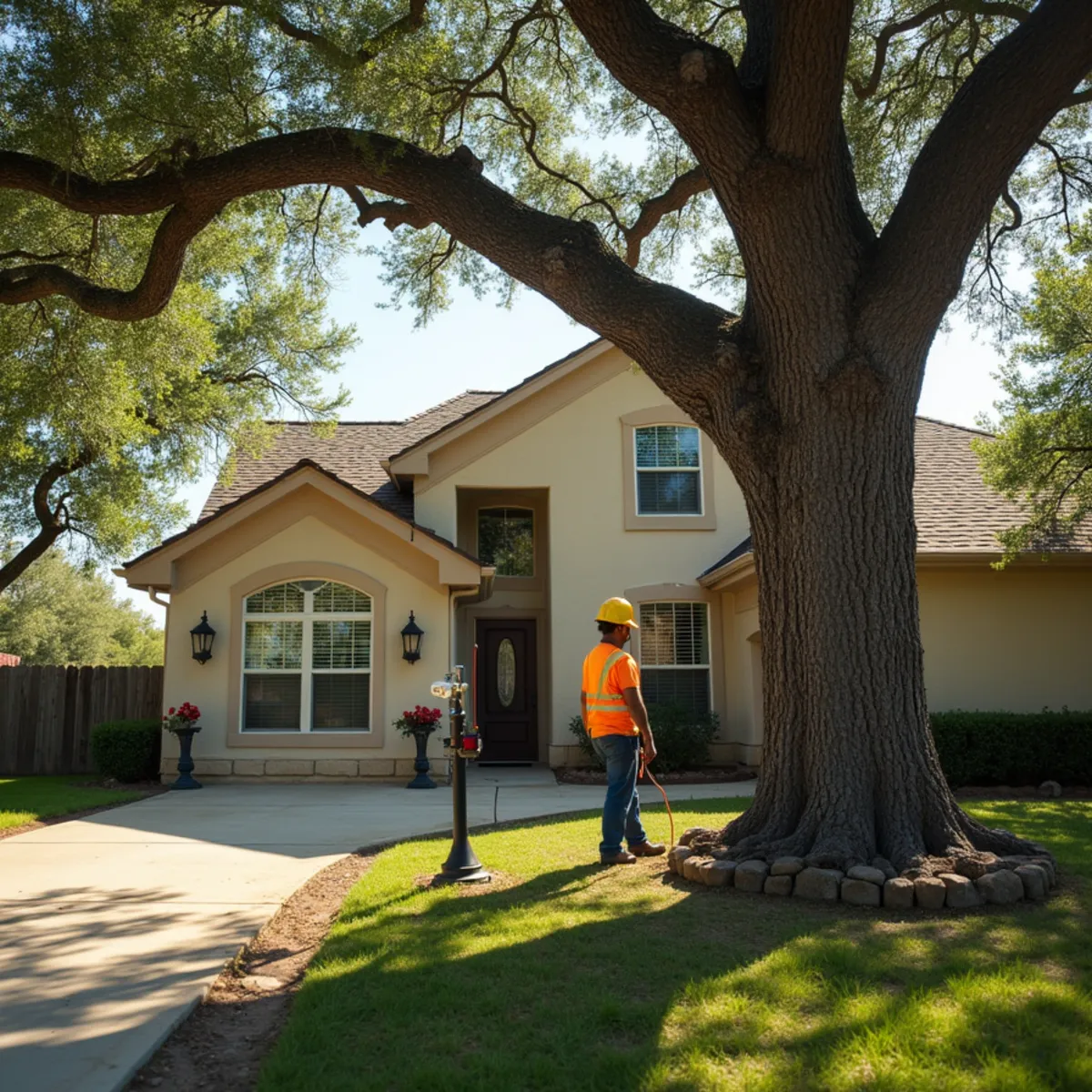
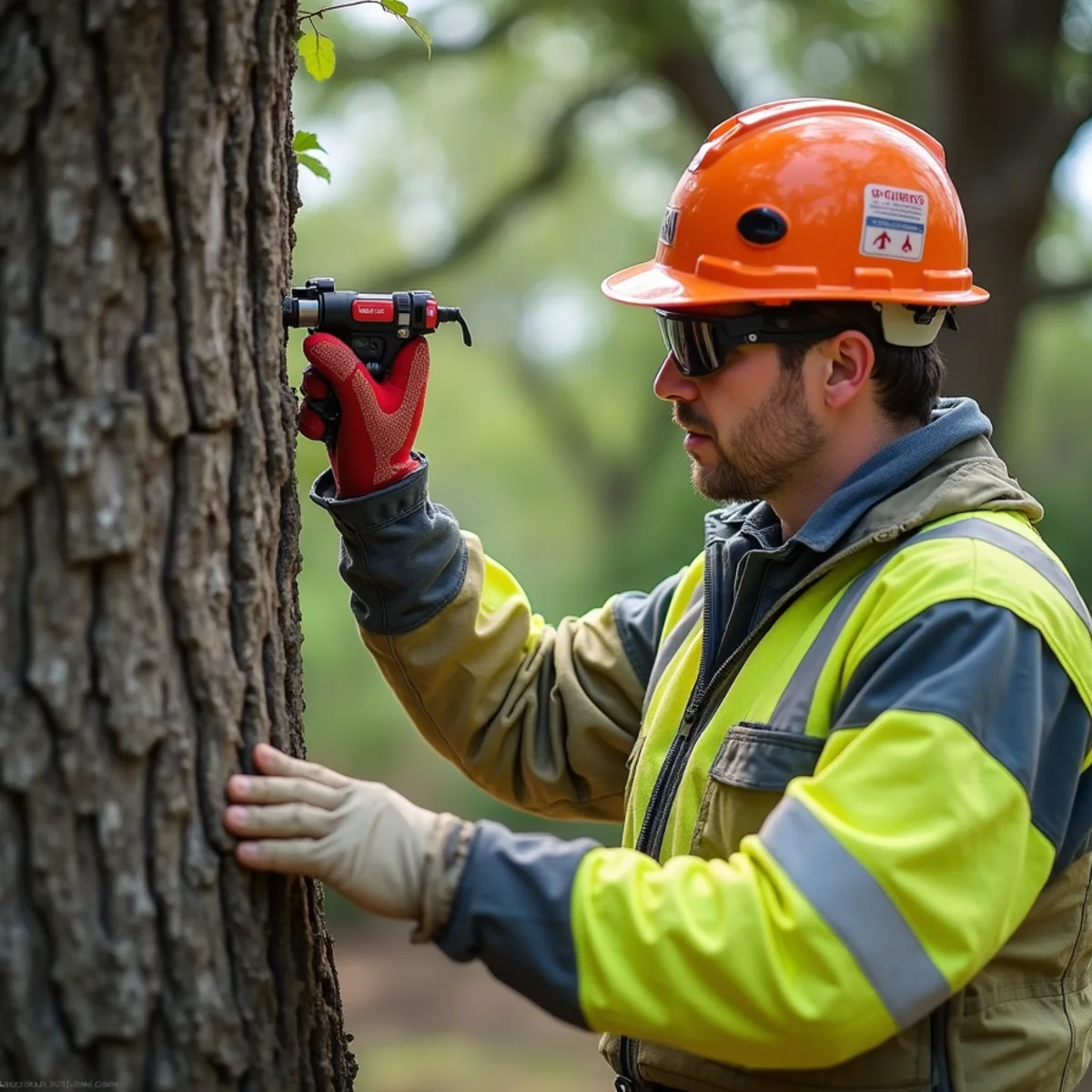
In San Antonio, Bexar County, and across the Texas Hill Country, knowing when to trim live oaks is not a matter of convenience; it is a critical biosecurity decision. Under Texas A&M Forest Service guidelines, the safest time to prune live oaks (Quercus virginiana) and red oaks (Quercus buckleyi) is during the coldest winter months (July through January, with November through January being peak dormancy).
During mid-summer heat and deep winter dormancy, nitidulid sap-feeding beetles (the primary insect vectors that carry fungal oak wilt spores) are biologically inactive or at minimal population density. Furthermore, dormant winter oaks experience minimal vascular transpiration stress, allowing trees to direct stored root starches toward spring wound compartmentalization without losing precious leaf canopy.
The single most important rule in Texas live oak care is this: paint every cut immediately, year-round, regardless of season, temperature, or branch size. Whether pruning an 18-inch scaffold limb or making an accidental nick with a chainsaw bar, exposed cambium must be sealed within seconds.
Nitidulid beetles can land on an unpainted wound within five to ten minutes of cutting. Applying a thin, even coat of aerosol pruning wound dressing or commercial latex paint creates an impenetrable physical and olfactory barrier, masking the scent of tree sap and blocking beetle access. Our certified tree crews carry holster-mounted wound paint canisters directly on climbing harnesses, coating every wound instantaneously before making the next cut.
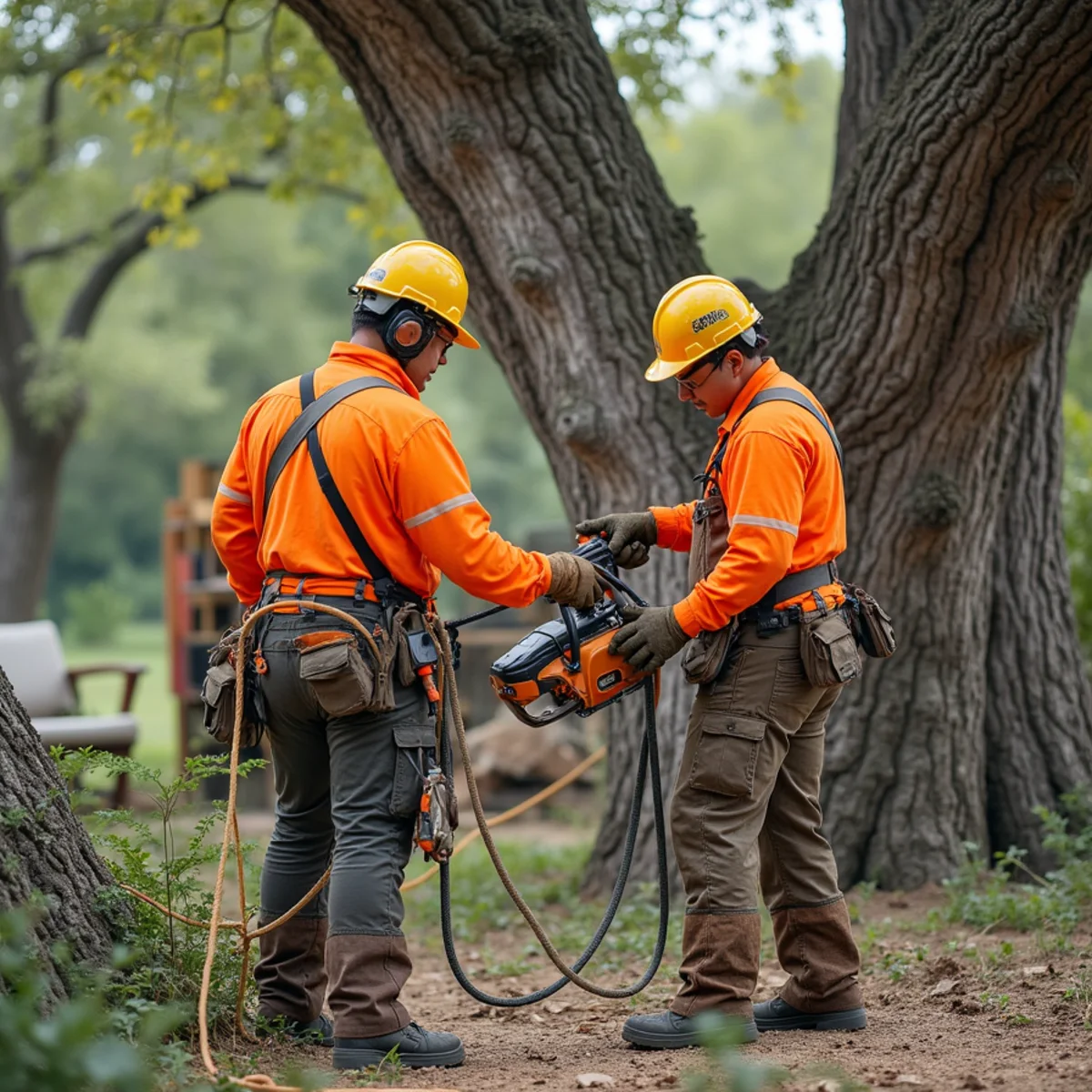
Fungal pathogens can easily hitchhike between properties on chainsaw guide bars, handsaw blades, pole saw teeth, and climbing gear. Professional arborists adhere to strict chemical sanitization protocols to eliminate cross-contamination risks.
Between every oak tree on a jobsite—and mandatory between different residential properties—our crews disinfect all cutting surfaces using a 70% isopropyl alcohol solution or commercial quaternary ammonium spray. We saturate saw chains and guide bars, allowing a 60-second contact time before starting the engine. Uncertified trimmers who move from a diseased oak to a healthy oak without sterilizing equipment can spread oak wilt directly into living wood fibers.
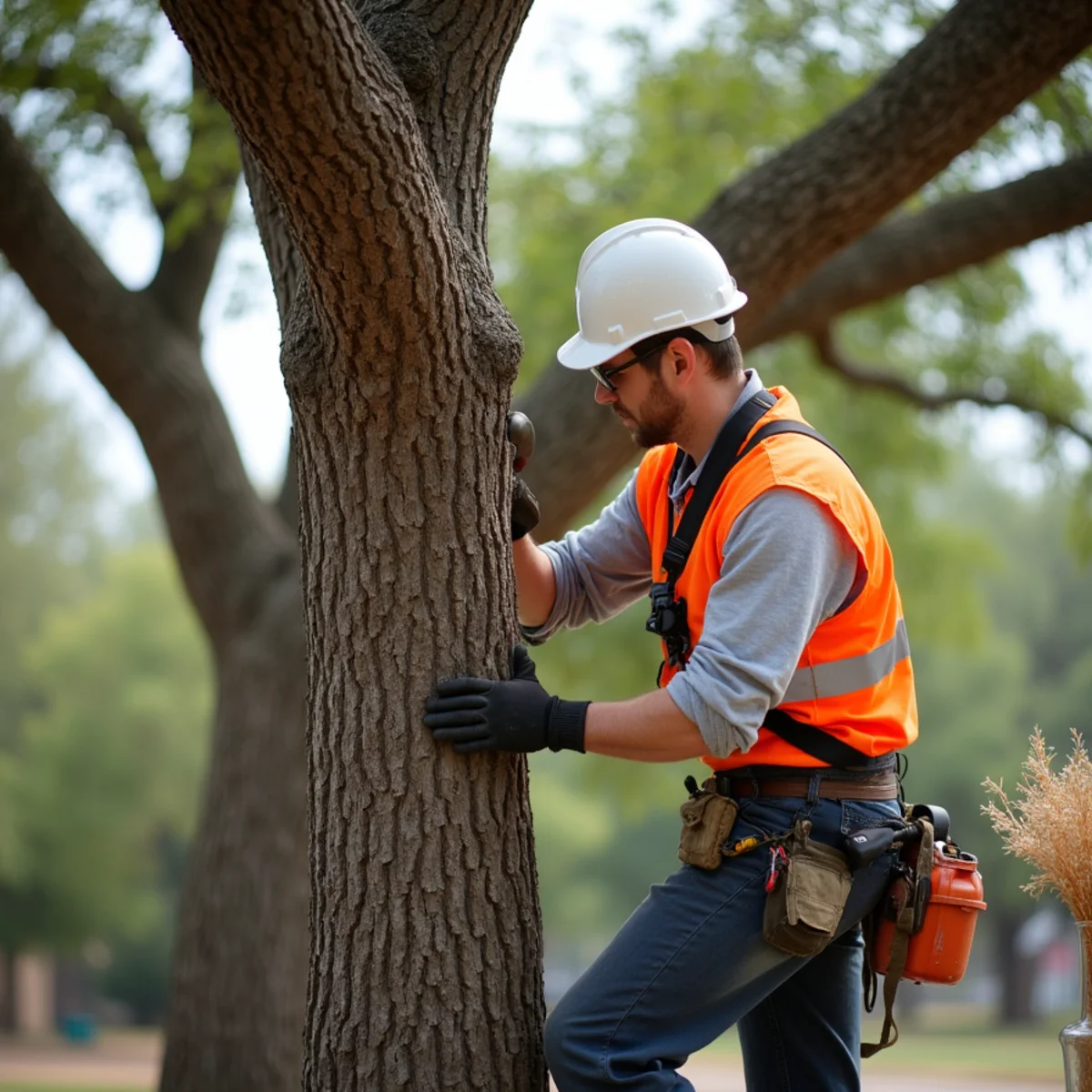
Pruning a mature live oak requires an understanding of its unique growth architecture. Live oaks naturally produce long, heavy horizontal scaffold limbs that extend far beyond their drip line. In severe ice storms or high-wind squalls, excessive end-weight can cause massive limbs to tear from the trunk, destroying tree architecture.
Our ANSI A300 pruning protocols focus on precision crown thinning and end-weight reduction. We selectively remove secondary lateral branches along the outer third of heavy limbs, shifting the center of gravity inward toward the trunk. We never lion-tail (stripping interior foliage), which exposes bark to deadly sunscald and forces trees to produce dense, weakly attached watersprouts.